Unveiling the Truth: Does Smoking Weed Actually Affect Muscle Growth?
Does smoking weed hinder your gains? Explore the science behind cannabis, THC, CBD, and muscle growth, uncovering potential impacts on hormones, recovery, and performance. Discover if moderate use can fit your fitness journey.
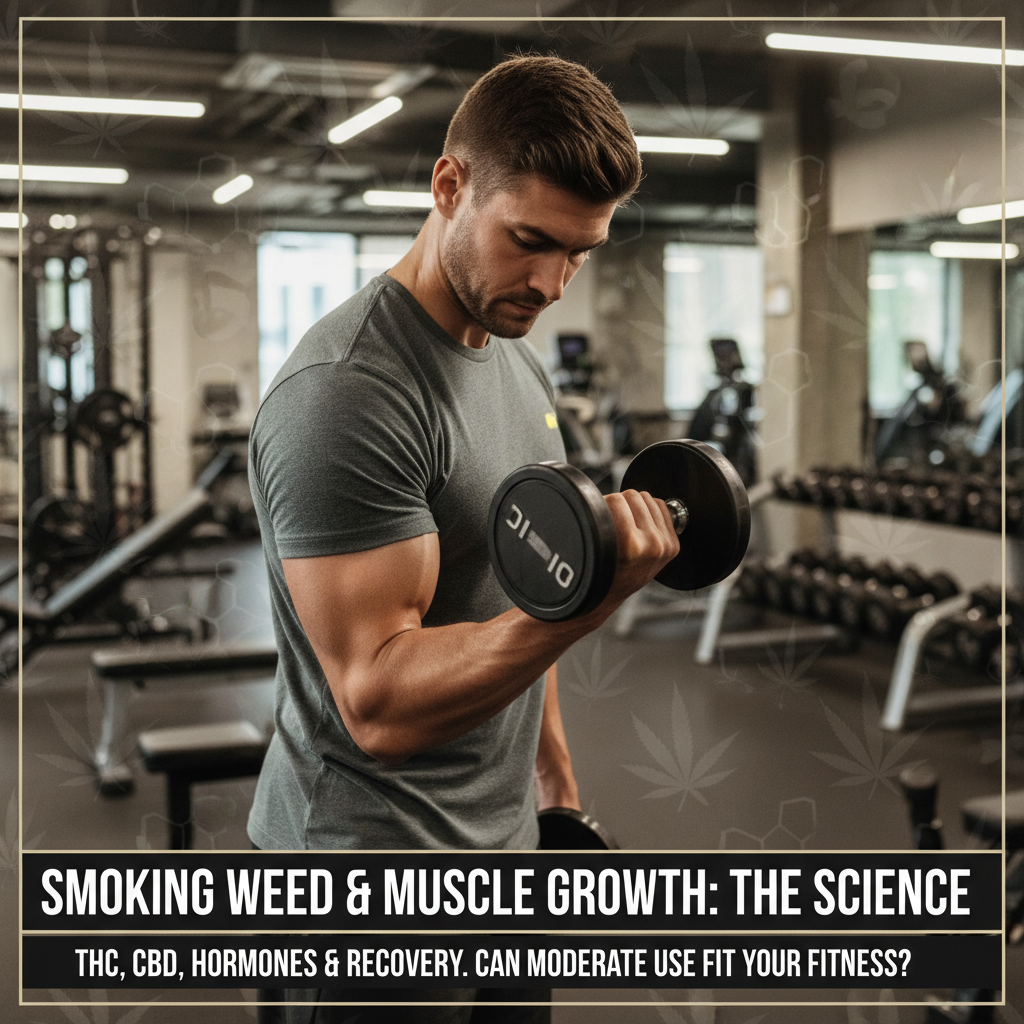
<h1>Unveiling the Truth: Does Smoking Weed Actually Affect Muscle Growth?</h1> <p>The relationship between cannabis consumption and muscle development is a topic of increasing interest, with many fitness enthusiasts wondering if their recreational use could be impacting their hard-earned gains. While the direct answer isn't a simple yes or no, current research suggests that smoking weed doesn't directly impede muscle growth, but it can influence several key factors that either support or hinder the process. These factors include hormone levels, workout performance, recovery, and sleep quality. For some, moderate cannabis use, particularly focusing on CBD, might even offer indirect benefits, while heavy or frequent THC use could pose challenges.</p> <h2>Understanding Muscle Hypertrophy and Cannabis</h2> <p>Muscle hypertrophy, the scientific term for muscle growth, is a complex process that relies on a delicate balance of resistance training, adequate protein intake, sufficient rest, and balanced hormone levels. Cannabis, with its active compounds THC (tetrahydrocannabinol) and CBD (cannabidiol), can interact with the body's systems that regulate these crucial elements. Therefore, while weed may not directly cause or prevent muscle growth, its influence on the underlying conditions is undeniable.</p> <h2>The Impact of THC on Your Gains</h2> <p>THC, the psychoactive component of marijuana, interacts with the body's endocannabinoid system (ECS), which plays a role in various physiological functions, including pain, appetite, and inflammation. Here's how THC might influence muscle building:</p> <ul><li><strong>Hormonal Effects:</strong> Some studies indicate that THC may lead to temporary reductions in testosterone levels. A review in <em>Current Neuropharmacology</em> highlights that heavy cannabis use can disrupt hormonal balance, though these effects are often mild and reversible. While a short-term dip in testosterone might not significantly impact occasional users, chronic heavy use could potentially slow down muscle-building progress.</li><li><strong>Motivation and Training Intensity:</strong> Cannabis can affect an individual's motivation, potentially decreasing the drive for intense workouts. If marijuana use leads to less frequent or less rigorous training sessions, it could hinder overall progress. Conversely, some individuals report enhanced focus or enjoyment during exercise after moderate cannabis use.</li></ul> <h2>CBD: A Potential Ally in Recovery</h2> <p>In contrast to THC, CBD is non-psychoactive and is increasingly recognized for its anti-inflammatory and pain-relieving properties. These characteristics can be particularly beneficial for athletes during their recovery phase. Potential benefits of CBD for muscle growth support include reduced muscle soreness, improved sleep quality, decreased inflammation, and potentially faster recovery times. Given that recovery is as vital as training for muscle gains, CBD's ability to enhance sleep and recovery could indirectly aid muscle development.</p> <h2>The "Munchies" Effect: Appetite and Bulking</h2> <p>The well-known appetite-stimulating effect of THC, often referred to as "the munchies," could be advantageous for individuals in a bulking phase, where consuming a higher calorie intake is necessary for muscle gain. However, it's crucial that this increased appetite translates into the consumption of nutrient-dense, protein-rich meals rather than just junk food, to optimize muscle growth effectively.</p> <h2>What the Science Says: A Mixed Bag</h2> <p>The scientific evidence directly linking cannabis use to muscle growth remains limited and often presents conflicting results. A 2021 review published in PMC noted that while cannabis use may have some negative effects on motivation and hormone regulation, the evidence is not conclusive and calls for more extensive, long-term studies. Anecdotal accounts from athletes, such as Arnold Schwarzenegger admitting to past cannabis use without apparent detriment to his physique, add another layer to this complex discussion. The general consensus leans towards moderate, mindful use having minimal impact, while chronic overuse might prove counterproductive.</p> <h2>Can You Build Muscle While Smoking Weed?</h2> <p>Yes, it is possible to build muscle while incorporating cannabis into your lifestyle, provided certain conditions are met:</p> <ul><li>Consistent and effective resistance training.</li><li>A high-protein, calorie-sufficient diet.</li><li>Adequate sleep and rest.</li><li>Moderate and mindful cannabis consumption.</li></ul> <p>Issues are more likely to arise if cannabis becomes a crutch or leads to the neglect of essential healthy habits.</p> <h2>Best Practices for Fitness-Focused Cannabis Users</h2> <p>For those who choose to use cannabis while pursuing fitness goals, adopting a strategic approach can help mitigate potential negative impacts:</p> <ul><li><strong>Timing is Key:</strong> Avoid smoking immediately before strenuous workouts. Consider using cannabis for post-workout recovery to maintain focus during training.</li><li><strong>Alternative Consumption Methods:</strong> Opt for edibles or tinctures to bypass the respiratory risks associated with smoking.</li><li><strong>Enhance Recovery:</strong> Time your cannabis usage to support recovery rather than impair performance.</li><li><strong>Prioritize CBD:</strong> Leverage CBD for its recovery benefits without the psychoactive effects of THC.</li><li><strong>Mindful THC Dosage:</strong> Be conscious of THC dosage, as less is often more when aiming to support training.</li></ul> <h2>Should You Quit Weed for Muscle Growth?</h2> <p>Not necessarily. If cannabis aids in pain management, improves sleep, or helps maintain your routine, it can serve as a beneficial tool. However, if it negatively impacts your motivation, the quality of your appetite, or your workout intensity, reducing or eliminating its use might be advisable. Individual responses to cannabis vary greatly, making self-monitoring of its effects on recovery, training, and mindset crucial for making informed decisions.</p> <h2>The Final Verdict</h2> <p>So, does smoking weed affect muscle growth? The answer is nuanced: it depends. Occasional or moderate use is unlikely to significantly hinder your progress. However, heavy and chronic use may lead to decreased testosterone, reduced motivation, and impaired recovery. CBD, in particular, shows promise in supporting recovery and muscle development. Ultimately, as with most aspects of fitness, balance and self-awareness are paramount. By training diligently, eating well, sleeping sufficiently, and using cannabis mindfully, achieving your muscle growth objectives remains attainable.</p>