Is Marijuana Legal in Florida? The Complete 2026 Guide to Age Limits and Laws
A comprehensive guide to Florida's marijuana age requirements, medical program regulations, and legal penalties for 2026.
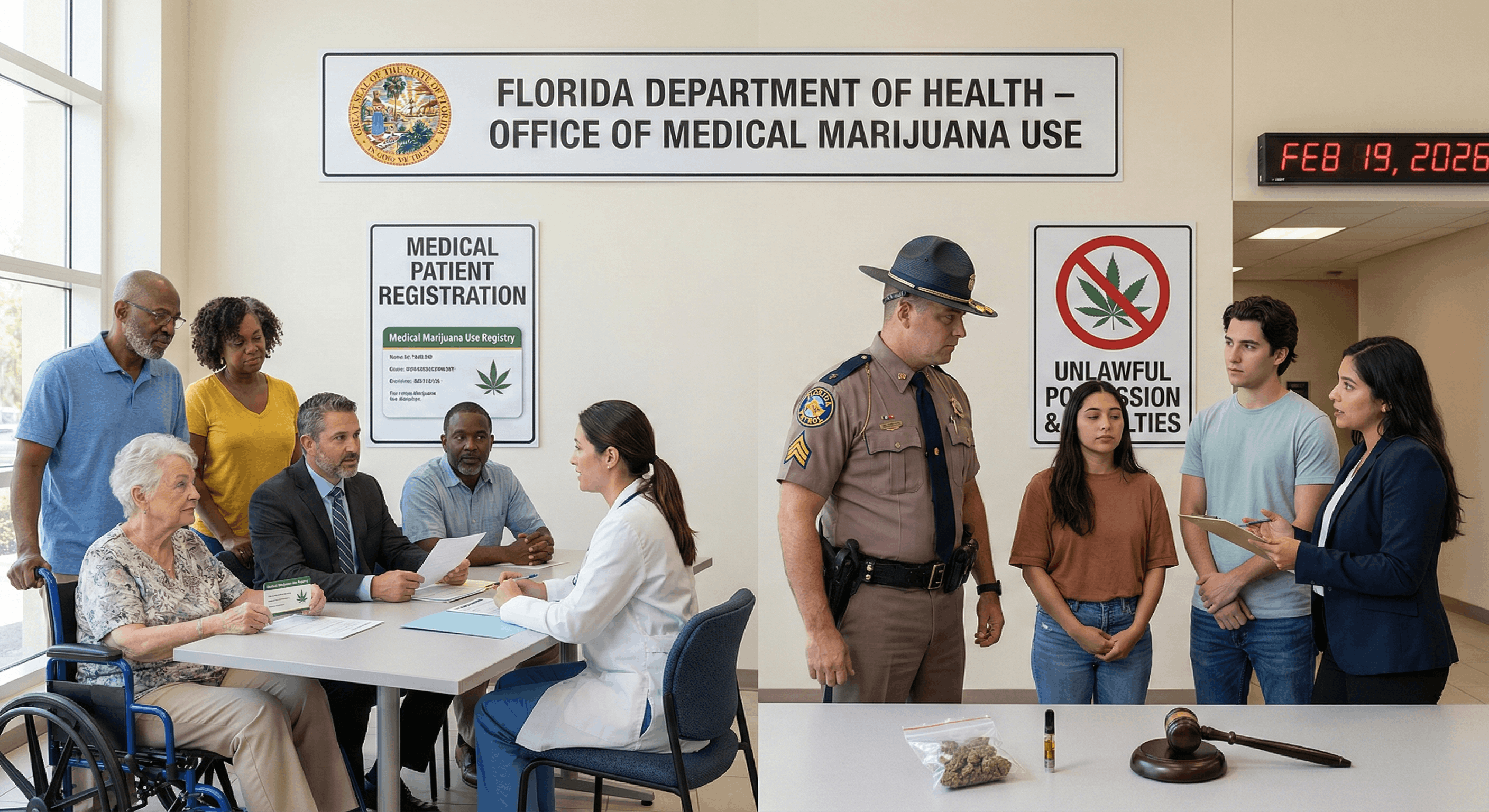
<h1>Is Marijuana Legal in Florida? The Complete 2026 Guide to Age Limits and Laws</h1> <p>Welcome to our definitive guide on the legal landscape of marijuana in the Sunshine State. As we navigate through 2026, understanding the intersection of age, medical necessity, and criminal law is more critical than ever for Florida residents and visitors alike. Understanding the Florida Marijuana Legal Framework In Florida, marijuana is strictly regulated under a dual system where medical use is legal, but recreational use remains a criminal offense. According to the Compassionate Medical Cannabis Act and subsequent constitutional amendments, only individuals with a qualifying medical condition and a valid Medical Marijuana Use Registry identification card can legally possess and use the substance.</p> <p>For adults 21 and older, the law currently prohibits the purchase or possession of marijuana for personal, non-medical use. Possession of 20 grams or less is classified as a misdemeanor, while larger quantities or the cultivation of plants without a commercial license are treated as felonies with significant fines and potential imprisonment. Age Requirements for Medical Access The age requirements for medical access are bifurcated based on the patient's status and the method of administration. Florida maintains a rigorous verification process to ensure that only those in genuine medical need have access to cannabis products. Adult Medical Access (18 and Older) In Florida, medical marijuana is legal for individuals 18 and older who have a qualifying medical condition and a recommendation from a licensed physician. Once these criteria are met, the individual can apply for their registry ID card and visit a licensed Medical Marijuana Treatment Center (MMTC). Minor Medical Access (Under 18) Minors under the age of 18 can also access medical marijuana, but they must meet stringent criteria:</p> <p>Must obtain consent from a parent or legal guardian Must receive recommendations from two separate qualified physicians A parent or legal guardian must register as a designated caregiver</p> <p>Furthermore, minor patients are generally prohibited from smoking marijuana unless they are diagnosed with a terminal condition. Possession Limits and Legal Penalties It is vital to understand that Florida law imposes strict penalties for possession outside of the legal medical framework. These penalties are determined by the quantity and the specific form of the substance.</p> <p>Quantity/Form Classification Potential Penalty 20 grams or less (Flower) First-degree Misdemeanor Up to 1 year jail and $1,000 fine More than 20 grams (Flower) Third-degree Felony Up to 5 years prison and $5,000 fine Any amount of THC concentrate Felony Severe criminal charges regardless of weight</p> <p>Mandatory Minimum Sentences for Trafficking For larger quantities, Florida law imposes strict mandatory minimum sentences under trafficking statutes:</p> <p>25 to 2,000 pounds: Mandatory minimum of three years in prison. 2,000 to 10,000 pounds: Mandatory minimum of seven years in prison. Exceeding 10,000 pounds: Mandatory minimum of 15 years in prison and fines up to $200,000.</p> <p>Beyond incarceration and fines, a conviction typically results in a mandatory six-month to one-year driver's license suspension and can lead to the loss of civil rights, such as voting and firearm ownership. Realistic Scenarios To better understand how these laws apply in everyday life, consider the following examples based on current Florida regulations. Scenario: The 18-Year-Old College Student In a typical scenario, an 18-year-old college student in Miami diagnosed with a qualifying condition like chronic nonmalignant pain can apply for a medical marijuana card independently. After receiving a certification from a licensed physician and obtaining their Registry ID card, they are legally permitted to purchase products from a licensed Medical Marijuana Treatment Center.</p> <p>However, they must remain cautious as they cannot legally smoke in public places, on campus, or transport the product across state lines, and they are restricted to a 35-day or 70-day supply as determined by their doctor. Scenario: The 14-Year-Old Medical Patient Conversely, consider a 14-year-old resident suffering from epilepsy. To access medical marijuana, the minor's parent must provide written consent and a second physician must concur with the primary doctor's recommendation, ensuring the benefits outweigh the risks.</p> <p>The minor cannot purchase the medication themselves; instead, a parent or legal guardian must register as a designated caregiver to buy and administer the treatment. Furthermore, unless the child is diagnosed with a terminal condition, they are strictly prohibited from using marijuana in a smokable form, highlighting the state's rigorous safeguards for underage patients. Best Practices for Legal Compliance To ensure full compliance with Florida's medical marijuana laws and avoid legal complications, follow these essential steps:</p> <p>Original Packaging: Always keep your medication in its original packaging with the pharmacy label attached to prove it was legally obtained. Private Use: Use high-THC products only in private residences; public consumption is strictly prohibited. Renewal Tracking: Renew your Medical Marijuana Use Registry card annually. Physician Follow-ups: Undergo follow-up evaluations with your certifying physician every seven months.</p> <p>Pro Tip: Maintaining current records and strictly adhering to state-mandated possession limits will help you avoid legal complications and ensure uninterrupted access to your treatment.</p> <p>For more information on staying compliant, check out our guides or read the latest news regarding Florida legislation.</p>