He Was Put on Adderall at 8. Smoking Weed Got Him Cut Off.
A reader's childhood Adderall script came with a surprise at refill time: the clinic wouldn't renew it because he smokes weed. His story, and what it says about controlled substances and cannabis.
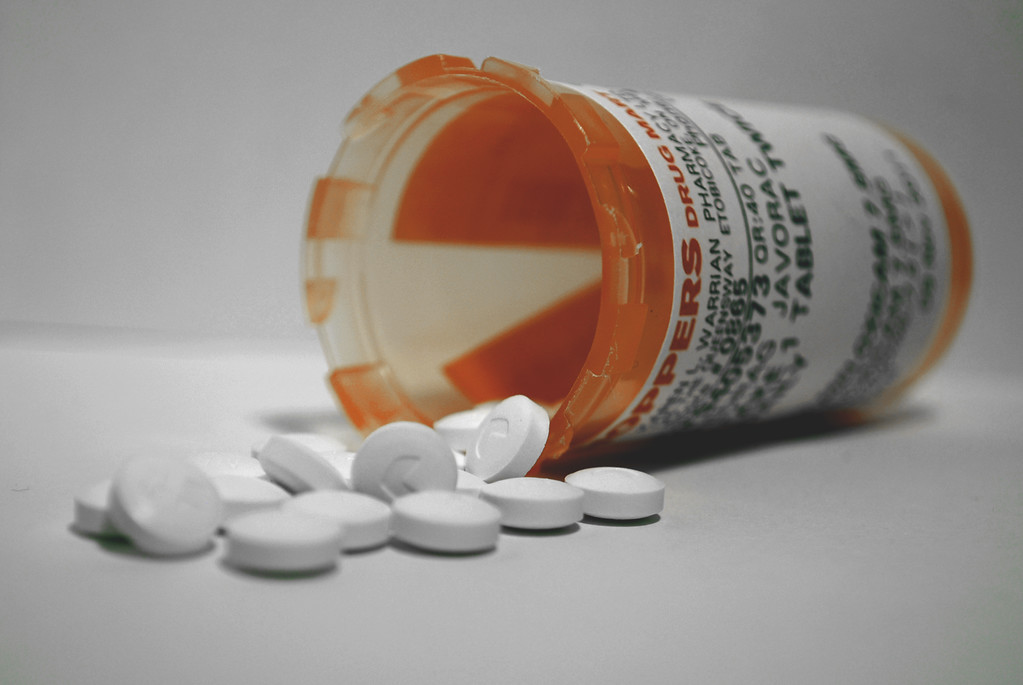
When a reader from Virginia Beach told us he'd been on Adderall since third grade, we assumed that was the whole story. Then he dropped the punchline: the last time he went in for a refill, the clinic denied him — because he smokes weed.
"They denied me 'cause I smoke weed," he said. "They're starting to get more picky about it."
His story is a window into a tension a lot of patients are living with right now: stimulant prescriptions on one side, legal cannabis on the other, and a healthcare system that increasingly treats the two as incompatible.
A prescription that started in childhood
He was eight years old when his parents sat him down and told him he was going on a pill. He remembers crying about it. The script was for Adderall, and over the years it climbed — he says he was prescribed as high as 45 milligrams, and he cycled through Adderall, Ritalin, and Vyvanse before landing somewhere he could tolerate.
He doesn't romanticize any of it. "I still feel like I'm still withdrawing off that s--- to this day," he said. He describes the childhood experience as being forced into something — the pressure to do well in school, to fit the advanced program he was enrolled in, to become what his family wanted him to be. The pills were part of that machinery.
And now the weed — which he started in high school and still smokes daily — has become a problem for the people who write his scripts.
The bind of stimulants and weed
Here's what's actually going on. Adderall and similar stimulants are Schedule II controlled substances. That puts them in the most tightly regulated class of prescription drugs there is, alongside opioids. Prescribers are required to weigh the risks of diversion and abuse, and many clinics have adopted policies about cannabis use — partly because of liability, partly because of a real (if contested) concern about how THC interacts with stimulant treatment.
The frustrating part for patients: in states where cannabis is fully legal, you can buy weed on a Saturday and be denied a controlled-substance script on Monday. The two systems exist in parallel, and nobody has reconciled them. The reader's experience — one clinic deciding his cannabis use makes him ineligible — is becoming a common one, even in legal states.
He's not alone in the other direction either. He admitted he doesn't even take his current script anymore; he keeps it filled for the people in his life who might need it. That's a separate problem, and he knows it. "It's good to save though," he said — a line that, frankly, should make you wince, because sharing or saving a Schedule II stimulant is exactly the kind of thing that gets people in real trouble.
The honest check
His story is one person's account, and his memories of childhood prescribing aren't a verdict on ADHD treatment. What's verifiable is the pattern: stimulant prescriptions are tightly controlled, cannabis use is a documented reason some clinics decline to prescribe them, and the research on combining the two is thin and mixed. Some studies suggest cannabis can worsen attention in people with ADHD; others find people self-medicating with it. The honest answer is that we don't know enough, and policies are being made in that vacuum.
And we should be clear: he wasn't denied because cannabis is dangerous. He was denied because of a policy decision by one clinic, the kind of decision that varies from practice to practice and state to state.
What you can take from this
- Be honest with your prescriber, but know the stakes. Some clinics will drop you from a stimulant script over cannabis use. Ask about the policy before it becomes a surprise at refill time.
- Don't hide it and then get caught. A surprise positive drug test can end the relationship on worse terms than a conversation would.
- Never share or save Schedule II meds. His "it's good to save" habit is a liability — legally and medically. Dispose of extras properly.
- If you get cut off, you have options. Telehealth prescribers, different clinics, and conversations about alternatives all exist. You're not stuck with one doctor's policy.
- Talk to a professional about what's actually helping. Whether it's the stimulant, the weed, or both, the goal is a treatment plan you can live with — not one you have to hide.
His story ends where a lot of these stories end: a patient caught between two legal substances, penalized for using one while being prescribed the other. It's a contradiction worth fixing — and a reminder that when it comes to controlled substances, the rules on paper and the reality of people's lives are still very far apart.
Five Minutes After They Dropped Acid, the Trip Sitter Got the Call
His first acid trip was supposed to have a trip sitter watching over everyone. Five minutes in, the sitter's dad had a heart attack at home. What happened next — and the shroom trip so bad it kept him away for five years — are two lessons in why set and setting matter more than the dose.
medicalHe Dabbed Way Too Much DMT. Here's What 'Breaking Through' Actually Feels Like
He and his friends worked up slowly — then one night he folded a huge pile of DMT into a piece of parchment, tapped it into the nail, and was gone. He calls it the most intense experience of his life, and he couldn't stop thinking about it for a year.
medicalHe Overdosed on Fake Acid at 17 — and It Sent Him to Rehab
The tab tasted wrong. He told his friend. They took it anyway. A first-hand account of a 25i-NBOMe overdose at 17 — the cardiac arrest, the ambulance, the rehab — and how to keep it from happening to you.
medical