How to Buy Good Flower: What to Check Before You Pay
THC percentage isn't the whole story. Experienced buyers in r/bostontrees break down harvest dates, terpenes, TAC, and the questions that actually get you good weed.
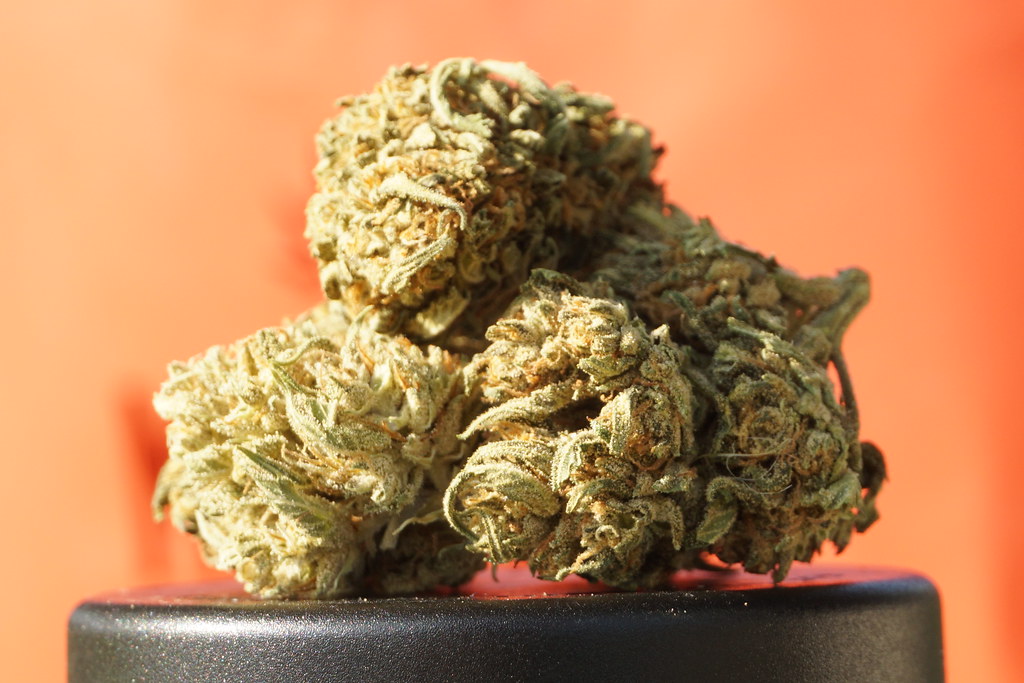
Stop shopping by THC percentage alone
A Massachusetts buyer with a simple question — "What information should I look at when buying flower?" — got a masterclass from r/bostontrees regulars. The consensus cuts against everything dispensary marketing implies: THC percentage is the last thing experienced buyers look at, not the first.
Read the dates first
Multiple commenters put harvest date, test date, and package date at the top of the list. Freshness drives quality more than any lab number, because terpenes — the compounds behind smell, taste, and much of the experience — degrade over time. A bud harvested months ago can test great on paper and smoke like hay. If the package doesn't show the dates, dispensaries are required to disclose them when asked, and some menus list them online.
Then the terpenes, then the TAC
The practical ranges commenters gave:
- Terpenes: under 1% is weak, 1.5% is okay, 2% is good, 3% and up is excellent — the higher the terps, the smellier and tastier the bud
- TAC (total active cannabinoids): aim for roughly 24–29%. A few commenters warn that growers sometimes stress plants to spike the TAC number; an extremely high TAC can mean an intense but short-lived high where the effects take a back seat to just being high
Think of terpenes as blinkers on a car — they don't steer the high, but they're a great indicator of which direction it's going.
Look and smell before you pay, when you can
Some dispensaries let you see and smell the flower — use it. Good weed has distinct scents, not just "weed smell": lemon, pine, mango, diesel, anything distinctive is a sign of healthy terpenes. If the bud is brittle and smells like grass or hay, it's dried out. Not every shop allows this, and one commenter noted the display sample is often the oldest flower in the store, so treat it as a baseline, not the batch you're buying.
Ask better questions than "good sativa"
Be specific, one commenter urged: not "I want a good sativa" but "I want an energizing sativa — I want to laugh, I want to work out." Then ask the budtender why they recommended what they did, so you can learn their reasoning. Fair warning from others in the thread: some budtenders are essentially cashiers following management's push list, so learn enough to trust your own judgment.
Brands Massachusetts buyers actually trust
Names that came up repeatedly for consistency: Impressed, Highmark Provisions, Harbor House, Root and Bloom, Strane, Bountiful, and MAC — with Insa, Rhelm, Happy Valley, and Superflux mentioned as solid when on sale. General rule from the thread: be wary of flashy packaging and cute names.
Other tips that came up
- Don't order blind online — stores often copy-paste grower copy, and some won't give you dates until you're in the store
- Price isn't a quality indicator; it mostly reflects the shop's relationship with growers
- It's illegal to sell flower tested more than a year ago — if you get sold old stock, that's a red flag about the retailer
- Watch menus and buy shortly after new drops land for the freshest flower
This article summarizes community discussion and is not medical advice. Individual reactions to cannabis vary — effects depend on your body chemistry, tolerance, and dosage.
Why Your Dispensary Now Carries 8 Strains Instead of One: The Wholesale-to-Retail Shift
A California grower used to run one strain per greenhouse. Now he runs 40 to 50 — because, as he puts it, "people don't want 400 pounds of the same thing. They want 50 pounds of eight different flavors."
tipsWhat a DUI Really Costs: One Creator's $500 Attorney, $3,000+ in Fees, and a Very Expensive Lesson
The host of The Gobcast got a DUI at 20 — a 0.23 blood alcohol level, a crash into a tree, and thousands in fees. He broke down the real price tag and the mistakes that made it worse.
tipsWhat Happens to Your ID When You Visit a Dispensary? Privacy, Explained
Scanned your ID at a dispensary and wondered where the data goes? The short answer from industry insiders: it's age verification, not surveillance — but the real privacy question is the one nobody asks.
tips