Gas Station Pre-Rolls Are Getting 'Sprayed.' Here's How to Spot Them
A cabinet full of pre-rolls at a small gas station sparked a conversation about one of the strangest corners of the hemp market: flower sprayed with distillate, doused in synthetic terpenes, and sold as premium. Here's how to tell the real stuff from the spray.
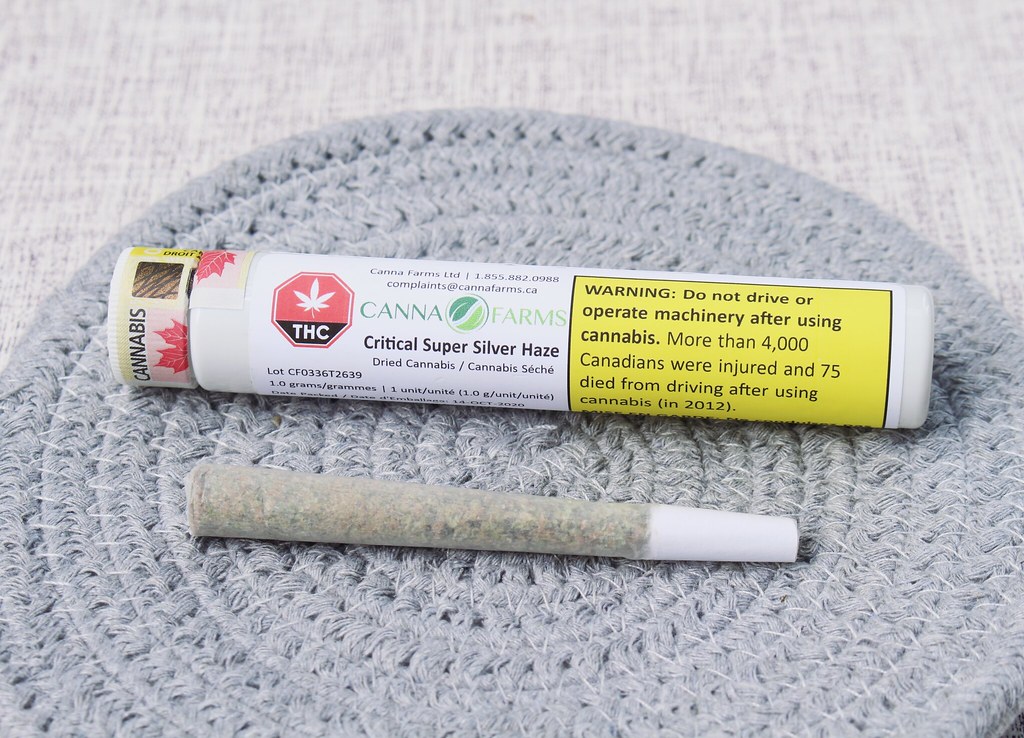
A veteran weed creator we spoke with stopped at a small gas station in a small town and found something he couldn't ignore: a display cabinet stuffed with pre-rolls. "They were the worst kind of pre-rolls," he says. "Those dog[expletive] sprayed ones where they spray on the distillate and then they put the worst kief you've ever seen over it. And they call them the infused rockets."
He's describing a corner of the hemp market that's grown fast and loose: flower sprayed with distillate, coated in low-quality kief, sometimes doused in synthetic terpenes — and sold to people who can't tell the difference between that and the real thing.
What 'sprayed' weed is
At its simplest, spraying means taking low-quality flower and making it look and smell better than it is. The methods vary:
- Distillate spray. Cheap THC distillate is sprayed or brushed onto the buds to raise potency — and to let sellers use less actual flower.
- Kief dusting. The sprayed buds get rolled in kief so they look frosty and premium. The kief is often low-grade, and it's there for looks.
- Synthetic terpenes. Added flavors are meant to mimic real strains but often smell like vape juice — "that synthetic strawberry," as he puts it, "that doesn't smell like natural weed."
The strain names are a giveaway. "If it's like strawberry cheesecake Oreos," he laughs — and he's not kidding; he mentions a product literally called campfire Oreos. "That's not a [expletive] strain. There's no genetics in that."
Why it's everywhere
The unregulated THCA market has exploded since the 2018 Farm Bill, and gas stations, corner stores, and delivery services have become the storefronts. He saw the same thing on a trip to New York: "All the delivery services sell spray. The corner stores sell spray. The deli on the corner, right under their menu for all the sandwiches, had bags of spray in the window."
Here's the nuance he's careful to make: THCA flower itself isn't the problem. "THCA is cool because, if you know what it is, it's weed. It's weed. I've smoked it. Just as there's bad weed you can get from a street dealer or a dispensary, there's bad THCA weed and there's good." The problem is that on the unregulated market, the trash vastly outnumbers the good — "so of course everyone's natural impression of THCA is bad."
The mold machine
He's also wary of the machines that have circulated in industry videos — units that recondition old flower, restoring moisture and appearance. In his telling, they can take aged, even moldy, weed and make it come out "like a perfectly moist, mold-free, fluffy spray pack." When he posted about it, the comments went a certain way: "Well, if it takes away the mold from the weed and makes it taste better, then how is it a bad thing?" His response: if a product needs a machine to hide what's underneath, that's not a feature.
The honest check
The machine claims come from industry videos and his own account — we haven't independently verified that hardware, and there's a range of claims about what these machines do. What's well established is simpler: unregulated products aren't tested, aren't labeled with real ingredient lists, and have no quality floor. You're trusting the seller.
How to spot sprayed weed
- Smell it. Real cannabis smells like cannabis. If it smells like a fruity vape or candy, treat it as synthetic.
- Look at the kief. If the coating looks dusty, uniform, and almost painted on — and flakes off — it's likely dusted, not grown.
- Question the strain name. Dessert flavors can be real, but "campfire Oreos" and "strawberry cheesecake" aren't genetics — they're marketing.
- Check density and feel. Sprayed buds can feel unnaturally sticky or dense from the coating.
- Buy where testing happens. Licensed dispensaries test for potency, mold, and contaminants. A gas station cabinet does not.
"There's more dog[expletive] on the THCA market than there is on the legal market," he sums up. "So of course everyone's natural impression is bad." The fix isn't to write off an entire category — it's to learn what quality looks like, and to know that on an unregulated shelf, the burden of proof is on the seller.
This article is for educational purposes only and is not medical or legal advice. Laws around hemp-derived products vary by state and change frequently — check your local regulations.
Cannabis Brands, Beware: 'Probably Half' of Our Influencer Deals Went Bad
A few hundred dollars sent by MoneyGram at Walmart. A hype voicemail about 'the boat.' One video taken down within hours. A rapper who signed a contract while high and never posted a thing. Daily High Club founder Harrison Bomb on the deals that went wrong — and what he'd do differently.
guidesWhat Is a Mixed-Light Greenhouse? The Grow Tech Behind a 100,000-Plant Farm
Mixed-light greenhouses combine the sun with indoor-grade LED lighting that dims and brightens automatically. A California grower explains how they work — and what the tech means for what ends up on dispensary shelves.
guidesCannabis and Driving: What Decades of Science and Road Safety Research Actually Reveal
An exhaustive, evidence-based guide exploring how cannabis impacts driving performance, comparing THC intoxication to alcohol impairment, examining legal per se limits, and providing practical road safety advice.
guides