What Is a Mixed-Light Greenhouse? The Grow Tech Behind a 100,000-Plant Farm
Mixed-light greenhouses combine the sun with indoor-grade LED lighting that dims and brightens automatically. A California grower explains how they work — and what the tech means for what ends up on dispensary shelves.
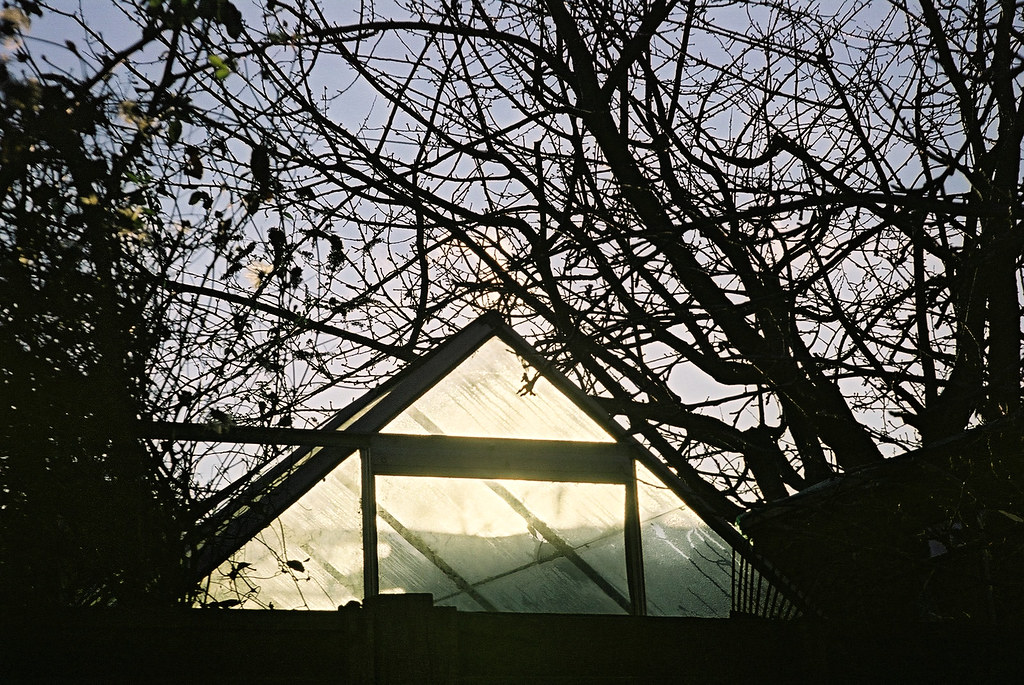
If you've walked into a dispensary lately and wondered why greenhouse-grown flower can look and smoke as clean as indoor, the answer is a growing method called mixed light. On The Gobcast episode 119, a Northern California grower gave a tour of his operation in Willow Creek, which runs more than 100,000 plants across mixed-light greenhouses, indoor rooms, and outdoor plots. Here's what mixed light actually is and why growers are betting on it.
The simple definition
A mixed-light greenhouse is exactly what it sounds like: a greenhouse that gets the sun during the day, plus supplemental lighting powerful enough to behave like an indoor grow. "It has absolutely everything an indoor has — plus the sun," the grower, Luke, says on the episode.
The distinction matters. A standard greenhouse relies on the sun and vents to manage heat, which limits control. A true indoor grow has full climate control but pays for every watt of light with electricity. Mixed light sits in between: free sunlight when it's available, electric light when it isn't.
How the lights actually work
This is the part that sounds futuristic but is increasingly standard. The above-canopy lights in Luke's greenhouses are LED, and they don't just run on a timer — they respond to how much sun is coming through.
"If the sun's out enough, lights turn off," he explains. "If the sun goes behind a cloud, lights turn on."
That's driven by PPFD — photosynthetic photon flux density, which measures how much usable light plants are actually receiving. The LEDs adjust in 1% steps to hold the target PPFD steady. By contrast, a traditional HPS lamp is essentially on or off, so you can't hold an exact light level through changing cloud cover.
During the summer filming, the above-canopy lights were on for only two to three hours a day — mostly mornings, evenings, and cloudy stretches — while the sun did the heavy lifting.
What else goes into a dialed-in room
The grower says the most high-tech room at Terp Mansion — the "spaceship," holding about 4,000 plants — pairs the adaptive lighting with under-canopy lights, heated benches, rolling tables, and full climate control. Indoor rooms on the property use 10-ton AC units that also handle dehumidification and inject CO2.
The result is a flowering cycle he describes as tight: plants in this room were around day 10 of flower when the tour was filmed, with the 63-day strains finishing in about 58 days during the peak of summer, when the sun's intensity shaves a few days off the stretch.
Why growers choose it
Luke's stated reason is economics plus quality. Mixed-light lets him run the "candy" strains — the heavy-flavored, high-demand genetics — that "everyone wants on the bulk market," while keeping energy costs far below what a fully indoor facility would demand.
He also flags the catch: "If you don't have it coming out like indoor and you're getting indoor prices in a greenhouse like this, you're screwed." In other words, the method only pays off if the flower quality actually competes with indoor.
What it means for what you buy
For shoppers, mixed-light explains a lot about modern menus. Greenhouse flower with indoor-level quality often sits between sun-grown and fully indoor on price — and the method is one reason midshelf flower has gotten dramatically better over the last few years.
To compare for yourself: our strain database lists effects and flavors for thousands of varieties, including the Blue Andes, DJ Short Blueberry, Red Velvet Gary, and Frosted Runtz grown at this farm. And if you want to see what's actually on shelves near you, check our dispensary directory for stores in your area.
Watch the full tour, including a walk through the spaceship and harvest day, in The Gobcast episode 119.
Opening a business in California?
License applications, compliance, and rules change constantly. Share what you need and we'll connect you with an attorney who handles it.
Cannabis Brands, Beware: 'Probably Half' of Our Influencer Deals Went Bad
A few hundred dollars sent by MoneyGram at Walmart. A hype voicemail about 'the boat.' One video taken down within hours. A rapper who signed a contract while high and never posted a thing. Daily High Club founder Harrison Bomb on the deals that went wrong — and what he'd do differently.
guidesGas Station Pre-Rolls Are Getting 'Sprayed.' Here's How to Spot Them
A cabinet full of pre-rolls at a small gas station sparked a conversation about one of the strangest corners of the hemp market: flower sprayed with distillate, doused in synthetic terpenes, and sold as premium. Here's how to tell the real stuff from the spray.
guidesCannabis and Driving: What Decades of Science and Road Safety Research Actually Reveal
An exhaustive, evidence-based guide exploring how cannabis impacts driving performance, comparing THC intoxication to alcohol impairment, examining legal per se limits, and providing practical road safety advice.
guides