What Is CBD Oil? Everything You Need to Know (2026)
CBD oil is everywhere — but what's actually in it, and what's it for? A plain-English breakdown of what CBD is, how it's made, the difference between full-spectrum and isolate, and how to read a label.
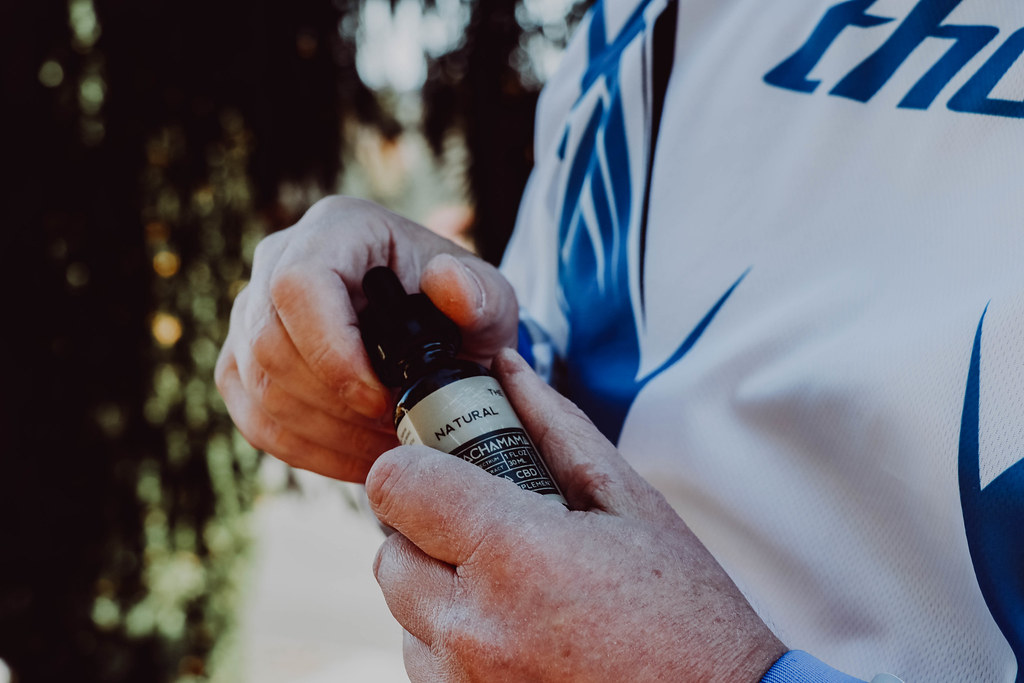
Walk into any wellness store and CBD oil is impossible to miss: dropper bottles, gummies, creams, even pet treats. But the label says a lot less than it seems to. Here's the plain-English version of what CBD actually is, how it's made, and how to read what you're buying.
CBD is one of many cannabinoids
Cannabidiol — CBD — is one of more than 100 cannabinoids, the chemical compounds produced by cannabis plants. Unlike THC, CBD is not intoxicating: it doesn't produce a high, which is the entire reason it became a mainstream wellness product. The two compounds come from the same plant but do very different things.
Where the plant was grown matters legally. Under the 2018 Farm Bill, hemp is defined as cannabis containing no more than 0.3% THC by dry weight. CBD extracted from hemp is federally legal in the U.S.; CBD from marijuana plants (which exceed that THC limit) falls under state cannabis law instead.
How CBD oil is made
Most reputable CBD oil is made by extracting cannabinoids from hemp flower or biomass — usually with CO2, which yields a clean oil without chemical solvents — then mixing the extract with a carrier oil like MCT or hemp seed oil. What's in the bottle depends on the extract:
- Full-spectrum: contains CBD plus the plant's other cannabinoids and terpenes, including up to 0.3% THC.
- Broad-spectrum: the same range of compounds, with THC removed.
- Isolate: purified CBD and nothing else.
Which is "better" depends on what you want. Full-spectrum fans argue the other compounds matter; isolate is the option if you want zero THC, full stop.
How to read a CBD label
The two numbers that matter are the total milligrams of CBD per bottle (a 30 mL bottle with 1,000 mg labeled "1,000 mg CBD" is about 33 mg per dropper) and whether the label is backed by a certificate of analysis (COA) from a third-party lab. A COA should show actual CBD content and confirm the THC level is what the label claims — and it should be dated recently, because batches vary. If a brand can't produce one, that's the answer.
The honest caveats
The FDA has approved exactly one CBD product — a prescription drug for certain seizure disorders — and has not approved CBD as a dietary supplement or food additive. That means wellness claims on bottles are largely unregulated marketing. What CBD does or doesn't do for you is a question for a doctor, not a label. What a COA tells you is what's actually in the bottle — which is the only part of the transaction you can verify.
Curious about the legality piece state by state? Read Is CBD Oil Legal in the U.S.? or start with the terpene side of things in Terpenes Explained.
Disclaimer: This article is for informational purposes only and is not legal or medical advice. Cannabis and hemp laws change frequently and vary by state and locality; always verify current rules in your jurisdiction before acting.
Cannabis Brands, Beware: 'Probably Half' of Our Influencer Deals Went Bad
A few hundred dollars sent by MoneyGram at Walmart. A hype voicemail about 'the boat.' One video taken down within hours. A rapper who signed a contract while high and never posted a thing. Daily High Club founder Harrison Bomb on the deals that went wrong — and what he'd do differently.
guidesWhat Is a Mixed-Light Greenhouse? The Grow Tech Behind a 100,000-Plant Farm
Mixed-light greenhouses combine the sun with indoor-grade LED lighting that dims and brightens automatically. A California grower explains how they work — and what the tech means for what ends up on dispensary shelves.
guidesGas Station Pre-Rolls Are Getting 'Sprayed.' Here's How to Spot Them
A cabinet full of pre-rolls at a small gas station sparked a conversation about one of the strangest corners of the hemp market: flower sprayed with distillate, doused in synthetic terpenes, and sold as premium. Here's how to tell the real stuff from the spray.
guides